About Expressive Arts Therapy
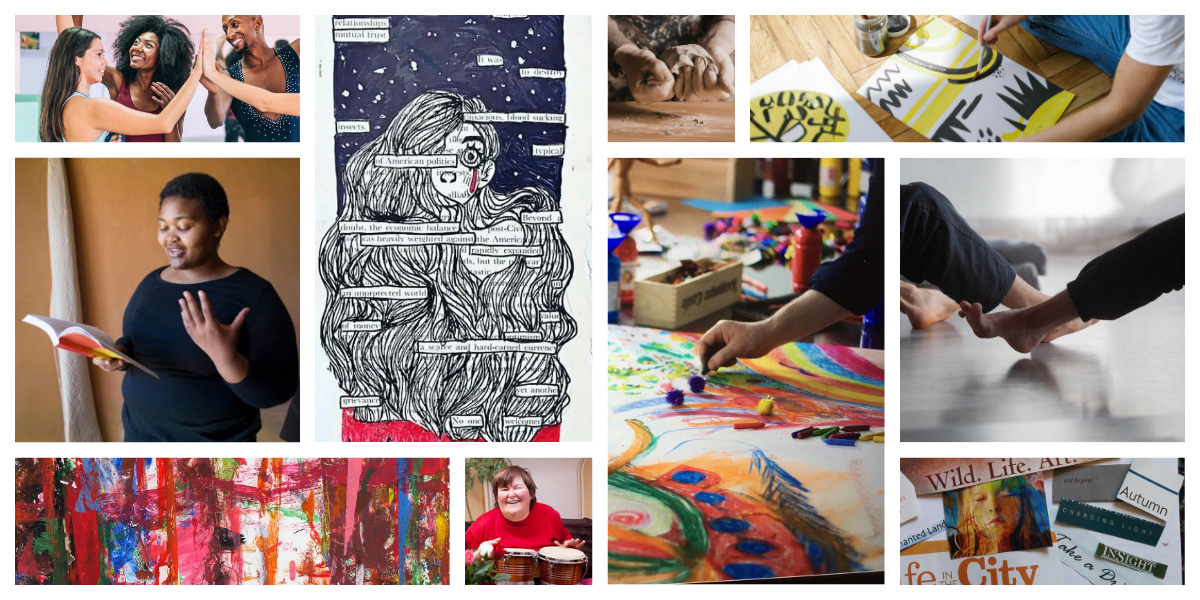
Expressive Arts (EXA) Therapy is a way of working that uses creativity alongside conversation to explore what’s happening in your life.
Rather than relying on words alone, it brings in writing, image, movement, sound, and imagination. These different forms allow you to approach your experience from multiple angles, especially when something feels hard to name or explain.
You don’t need any art experience.
This work is about process, not product.

What Is Expressive Arts Therapy?
Expressive Arts Therapy is a way of working that uses creativity alongside conversation to explore what’s happening in your life.
Rather than relying on words alone, it brings in writing, image, movement, sound, and imagination. These different forms allow you to approach your experience from multiple angles, especially when something feels hard to name or explain.
You don’t need any art experience. This work is about process, not product.
How It Works
In expressive arts therapy, we don’t stay in just one form.
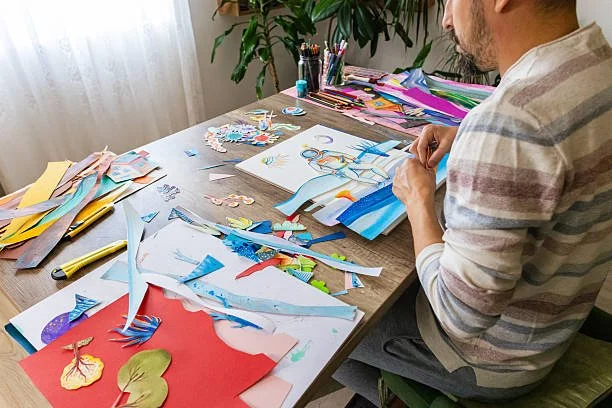
You might begin by talking, then move into writing, then create an image, and later reflect on what you notice. This movement between forms is called intermodal work.
Each shift offers a new perspective. Something you couldn’t access in words might show up through drawing. Something you couldn’t see in an image might become clearer when you write or speak about it.
The goal isn’t to create something “good.” It’s to stay with the process and see what emerges.

Why Use Creative Process?
Words are powerful. But they don’t always reach everything.
Creative process allows you to:
access emotions that are harder to articulate
work through experiences in a more embodied way
explore patterns and perspectives without needing to explain them right away
make meaning over time rather than forcing immediate answers
It can also make the work feel more engaging, especially if traditional talk therapy has started to feel limited or repetitive.

What a Session Might Look Like
Sessions are collaborative and flexible.
Sometimes we talk or other times we write. Sometimes we work with image, movement, sound, or role. We may stay in one form and, other times, we will move between several.
You’re always in control of your level of participation.
You won’t be asked to perform or share more than you want to.
The focus stays on your experience, not on interpreting or judging what you create.
You Don’t Have to Be
“Good” at Art
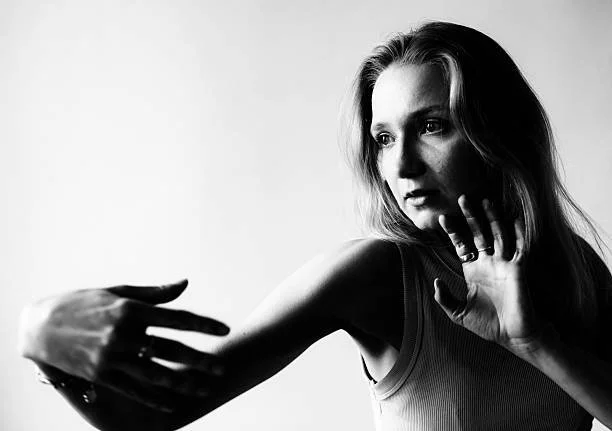
This work is not about skill.
You don’t need to be artistic or experienced. In fact, many people come in feeling unsure or disconnected from creativity.
We build that capacity together over time.
Expressive Arts Therapy vs. Creative Arts Therapy
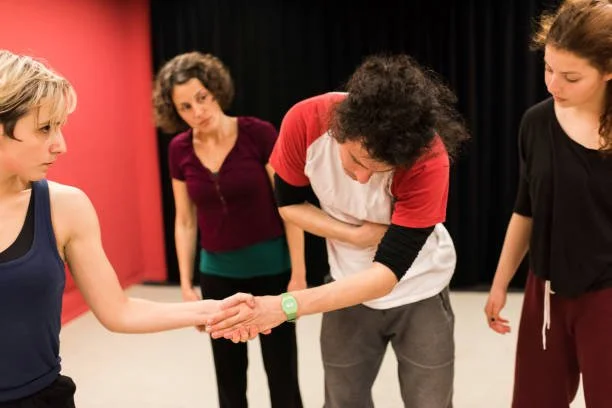
Expressive Arts Therapy is intermodal, meaning it integrates multiple forms of expression within the same process.
Creative Arts Therapy typically focuses on one primary modality, such as art therapy, music therapy, or drama therapy.
Both approaches are valuable. EXA brings them together, allowing you to move between forms as part of the process.
The Science Behind the Work
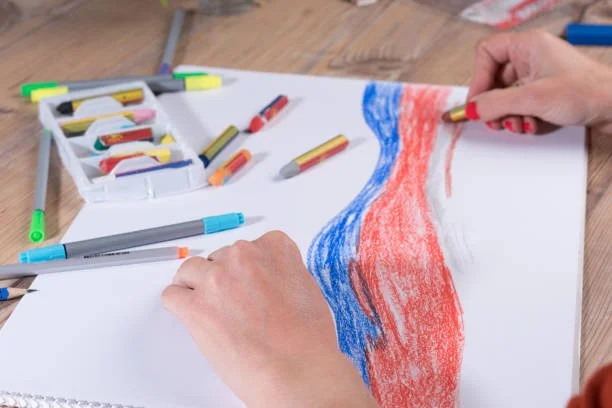
Research across psychology, neuroscience, and the arts shows that creative activity supports emotional regulation, stress reduction, and overall well-being.
Working with image, movement, writing, sound, and role engages multiple areas of the brain at once. This can make it easier to access and process experiences that don’t always come through words alone.
Studies across art therapy, music therapy, drama therapy, and dance movement therapy point to similar outcomes. Expressive arts builds on this by working across forms, allowing new perspectives to emerge over time.